Inquire

Indonesian spice and coffee exporter, Makassar Heritage, Traded Forever

Cloves, green coffee, patchouli oil, Vanilla, nutmeg, mace and kenari, bought at origin in Sulawesi and Maluku and shipped from Makassar to importers worldwide.

Chart of Sulawesi and Maluku. Routes run from Mamasa, where our coffee comes from, from Palopo and Kolaka, where our cloves and patchouli oil come from, and from West Seram, where our Vanilla, nutmeg, mace and kenari come from, to Makassar, our main port. Banda Sea Flores Sea Mamasa Palopo Kolaka West Seram Makassar Main port Arabica coffeeRobusta coffeeLalpari clovesZanzibar clovesClove stemsPatchouli oilVanilla beansNutmeg and maceKenari and kenari oil

Our routes from origin to Soekarno-Hatta Port, Makassar.

  • Palopo, Kolaka and MamasaLalpari and Zanzibar cloves, clove stems and green coffee, from Sulawesi, and patchouli oil from Kolaka
  • West SeramVanilla, nutmeg, mace and kenari, from Maluku
  • MakassarOur port, Soekarno-Hatta

About Heratona

PT Heratona Aeterna Luhur is a spice trading company in Makassar, South Sulawesi. We buy cloves directly from growers and collectors in Sulawesi, green coffee from a partner processor in Mamasa, source patchouli oil from Kolaka, and buy Vanilla, nutmeg, mace and kenari from farmer groups in Maluku. Our Lalpari cloves and patchouli oil are tested by Sucofindo, and our coffee is cupped by 5758 Coffee Lab. Our other products are listed with specifications at origin until their own reports are issued. We sell every lot by its named origin and ship from Makassar to importers worldwide.

Vision

To become a lasting economic force rooted in Indonesian heritage, driving the nation’s advancement through sustainable development, and generous in what it returns to everyone who takes part in that journey.

Mission

  • Export chain

    Build a strong, sustainable export trade chain, starting from regional flagship commodities, to bring Indonesian produce to global markets.

  • Fair partnerships

    Empower farmers, suppliers, and local partners through partnerships that are fair, transparent, and mutually beneficial.

  • Integrity

    Uphold integrity and compliance in every transaction, as the foundation of long-term trust with both domestic and international partners.

  • Shared growth

    Share the company’s growth in real, tangible terms with everyone who contributes, from suppliers to the internal team, as the practical expression of generosity as a core company value.

Cloves

Lalpari cloves from Palopo and Kolaka, tested by Sucofindo, with Zanzibar cloves and clove stems, all from Sulawesi.

Map of Sulawesi showing the Lalpari clove origins, Palopo and Kolaka, and our base in Makassar Palopo Kolaka Makassar
The two Lalpari origins and our base in Makassar.

Lalpari cloves, AB-6% grade

From two origins, Palopo and Kolaka, with a Sucofindo report for a sample from each.
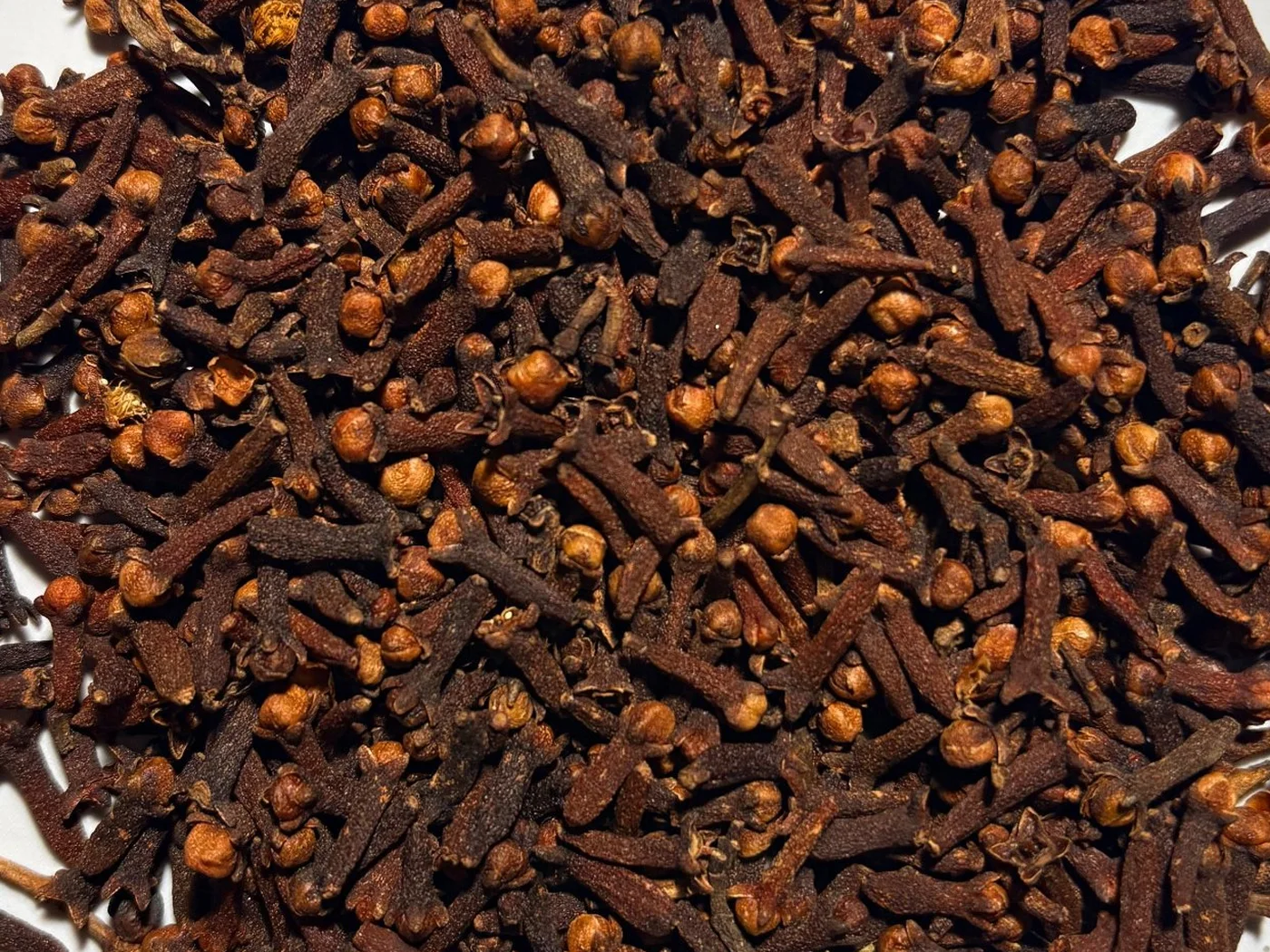
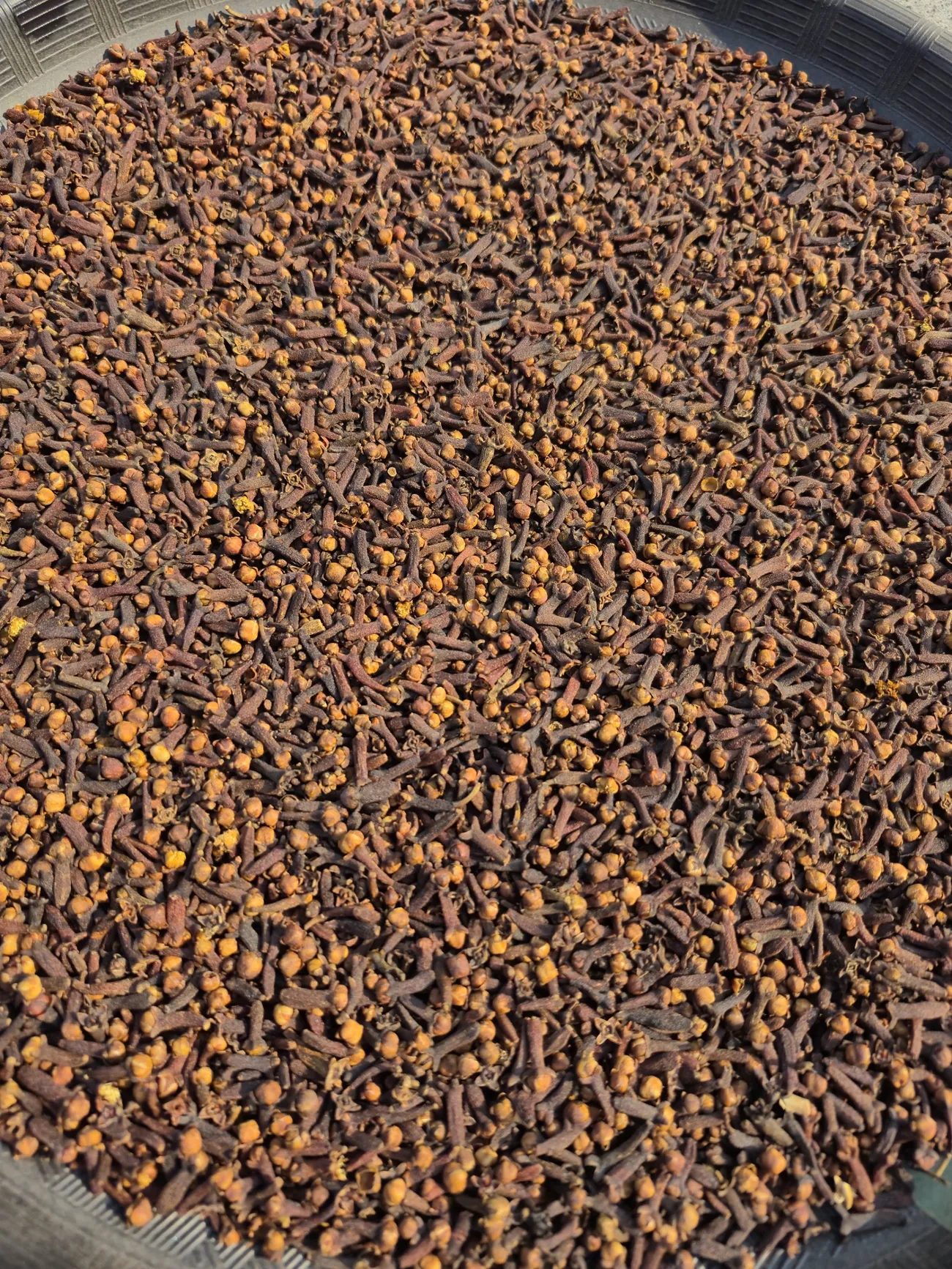
A sample of our Lalpari cloves: whole reddish-brown buds with round heads and very little stem
A sample of our Lalpari cloves

Palopo

South Sulawesi

AB-6% grade

22.84%Essential oil, dry basis

Kolaka

Southeast Sulawesi

AB-6% grade

23.83%Essential oil, dry basis

Lalpari cloves, AB-6% grade: laboratory results by origin
ParameterPalopoKolaka
Essential oil (dry basis) 22.84% 23.83%
Moisture 3.50% 3.0%
Stem 1.88% 1.21%
Inferior clove 0.12% 0.05%
Foreign matter 0.03% 0.03%
Damaged clove Nil Nil
Specimen 01 · Syzygium aromaticum
Clove, Syzygium aromaticum. Buds are picked before they open, then dried.

Tested to SNI 01-3392-1994 by Sucofindo (Report No. E06161/CODBAT for Palopo and Report No. E06165/CODBAT for Kolaka, dated 22 September 2026).

Full reports of analysis are available to buyers on request.

Most of the world’s cloves grow in Indonesia, and nearly half of Indonesia’s grow in Sulawesi.

Cloves first grew in the islands of Maluku. Over the generations they spread across Indonesia, and today the gardens of Central, South and Southeast Sulawesi are among the largest producers in the country.

Lalpari is the selection at the top of that harvest. The buds are picked by hand just before they open, dried in the sun, then sorted to keep whole, well-formed buds with very little stem and almost no foreign matter. In the spice markets of South Asia, Lalpari is the name buyers use for premium Indonesian cloves.

Share of world clove production grown in Indonesia
About 74%
Tons of cloves harvested in Indonesia, 2024
147,900
Of the top five clove provinces in Indonesia are in Sulawesi
4 of 5
Stem content in our tested Lalpari lots
Under 2%

Sources: Indonesian Ministry of Agriculture (2024 harvest and provinces); Tridge market guide (world share, 2018); our Sucofindo reports (stem content).

Zanzibar cloves and clove stems

Commercial grade from Sulawesi, not yet SNI-tested. Specifications are shared on request, with samples.
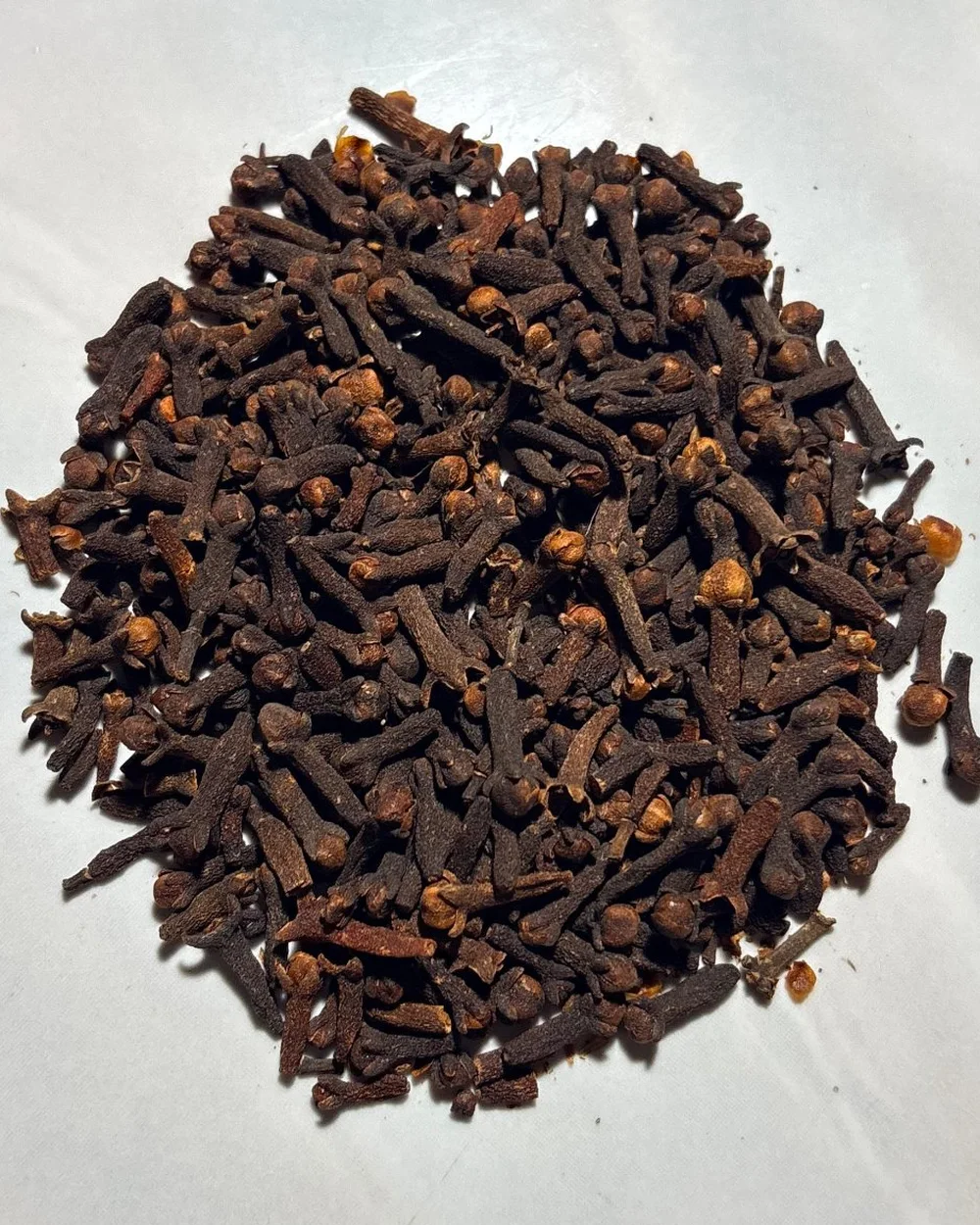
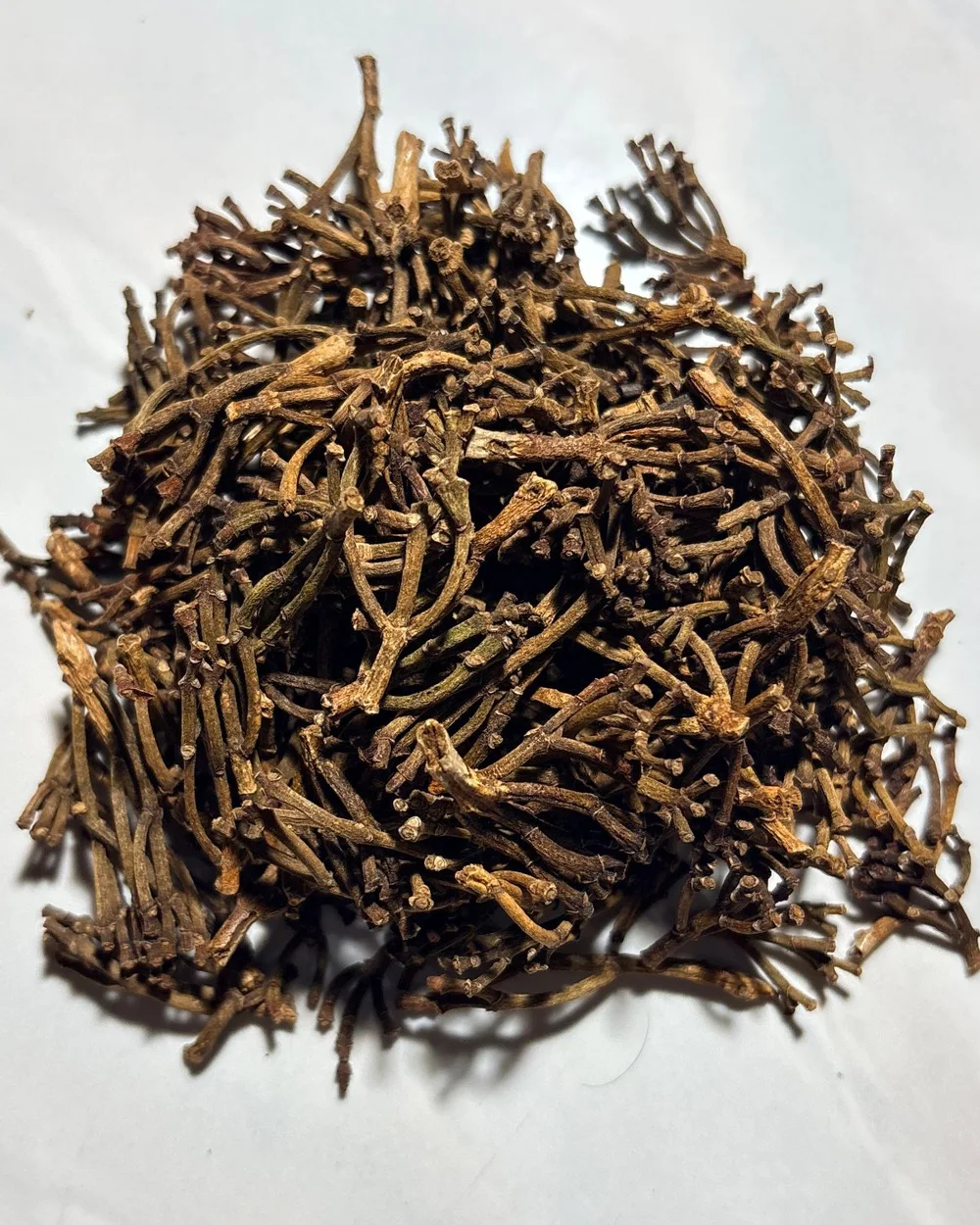
A sample of Zanzibar cloves: whole dark brown buds
Zanzibar cloves
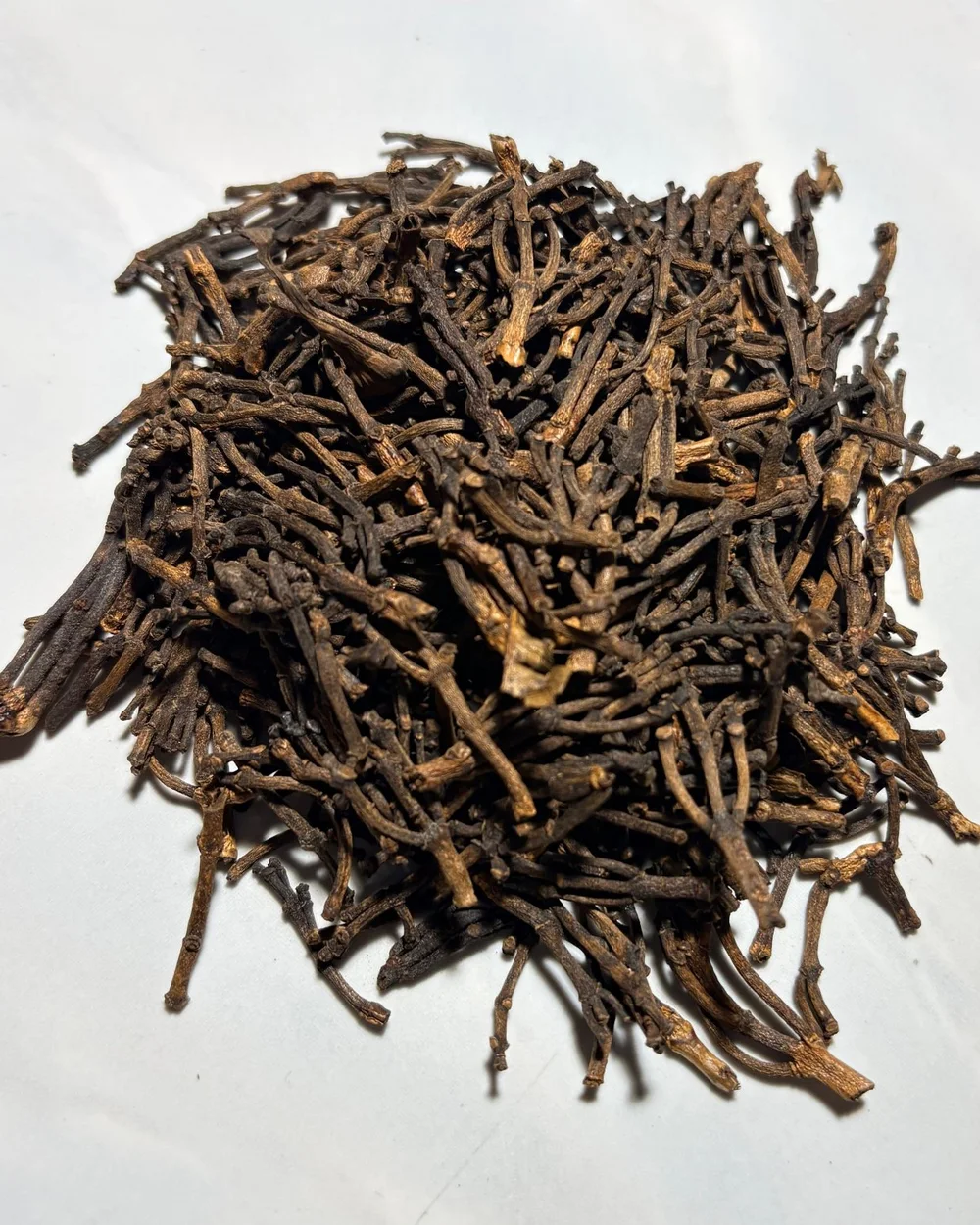
Oil-bearing clove stems: light brown dried stems that have not been distilled
Clove stems, oil-bearing, before distillation
Spent clove stems: darker brown stems left after distillation
Clove stems, spent, after distillation
  • Zanzibar cloves

    Sulawesi Commercial grade

    Whole dried clove buds of the Zanzibar variety.

    Specifications
    Grade
    Commercial grade
    Testing
    Not yet SNI-tested or certified
    Specifications
    Shared on request, with samples
    Minimum order
    As in our trade terms below
    Specs on request Inquire
  • Clove stems, oil-bearing

    Sulawesi Commercial grade

    Dried clove stems that have not been distilled, with their natural oil still in them. Suited to distillation.

    Specifications
    Type
    Not distilled, oil still present
    Oil content
    Laboratory test planned
    Testing
    Not yet SNI-tested or certified
    Packing
    Sacks as standard. Other packing on request
    Minimum order
    As in our trade terms below
    Specs on request Inquire
  • Clove stems, spent

    Sulawesi Commercial grade

    Clove stems left over after distillation, with the oil already removed. Not suitable for distillation, and sold clearly labelled as spent material.

    Specifications
    Type
    Spent, oil removed by distillation
    Testing
    Not yet SNI-tested or certified
    Packing
    Sacks as standard. Other packing on request
    Minimum order
    On request
    Specs on request Inquire

Lots from Palopo and Kolaka. Samples on request.

Inquire about Lalpari cloves
Green coffee

Green beans of Arabica and Robusta from the highlands of Mamasa, West Sulawesi. Cupped by an independent lab: the Arabica scored 85.33 (Specialty), and our Robusta lots 83.83 (Fine) and 82.00 (Commercial).

Map of Sulawesi showing Mamasa in West Sulawesi, where our coffee comes from, and the route to Makassar, our main port Mamasa Makassar
From Mamasa to our main port in Makassar.

Mamasa Arabica

Lombonan, Mamasa. Semi-washed.

Specialty

85.33Cupping score, 5758 Coffee Lab

Mamasa Robusta

Talambai, Mamasa. Natural process.

Fine

83.83Cupping score, 5758 Coffee Lab

Grown in the mountains of West Sulawesi.

Mamasa is a highland regency in West Sulawesi, north of Makassar. Both Arabica and Robusta are grown there by smallholder farmers.

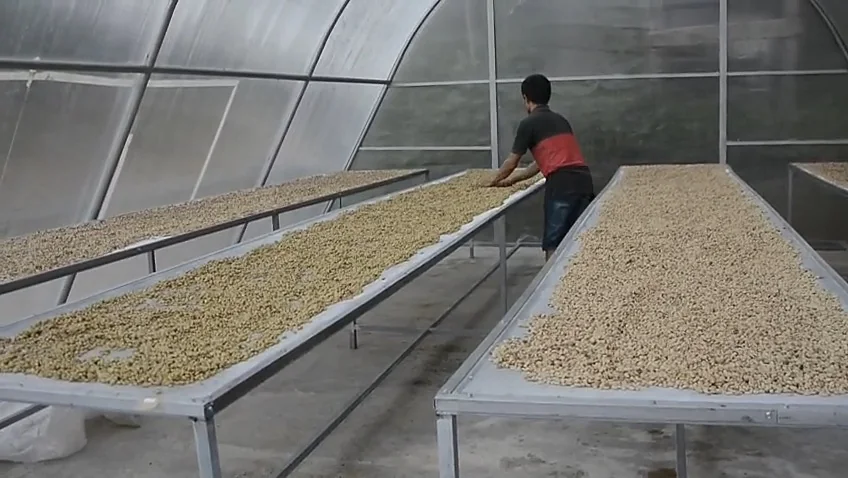
Our partner processor in Mamasa handles the cherries close to the farms. The Arabica is pulped and semi-washed, the Robusta is dried as whole cherry, and the beans are dried on raised beds under cover.

Our Arabica and Talambai Robusta were cupped in February 2026 by 5758 Coffee Lab in Bandung, with a panel of three cuppers. An earlier Robusta lot from Osango was cupped by the same lab and graded Commercial at 82.00. Its full score sheet is below.

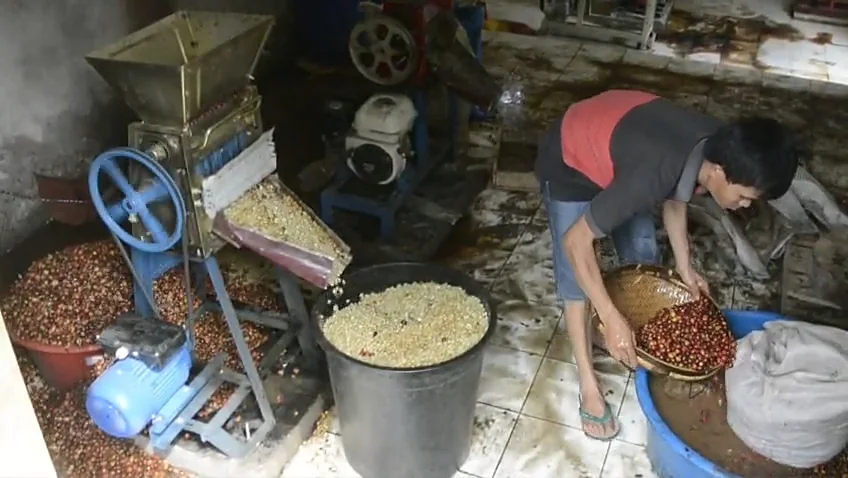
A worker tipping red coffee cherries into a pulping machine beside a bucket of pulped beansPartner processor · Mamasa
Pulping fresh cherries for the semi-washed Arabica
A worker spreading coffee beans on raised drying beds inside a covered drying house
Drying the beans on raised beds under cover
Green coffee from Mamasa: cupping results by lot, 5758 Coffee Lab
ParameterArabicaRobustaRobusta
Village, MamasaLombonanTalambaiOsango
TypeArabica, mixRobustaRobusta
ProcessSemi-washedNaturalNatural
Cupping score85.3383.8382.00
GradeSpecialtyFineCommercial
ReportBI-DEIH-26116BI-DEIH-2611524 Mar 2025
Moisture, screen size and defectsOn requestOn requestOn request
Specimen 02 · Coffea
Green coffee, the seed of the coffee cherry, sold before roasting. Shown from its flat side, with the centre cut.
Robusta, Osango, Mamasa: full cupping sheet, 5758 Coffee Lab, report dated 24 March 2025
AttributeCupper 1Cupper 2Cupper 3Average
Fragrance and aroma7.507.507.757.58
Flavour7.757.758.007.83
Aftertaste7.507.258.007.58
Salt and acid7.757.757.757.75
Bitter and sweet7.757.508.257.83
Mouthfeel7.757.508.007.75
Balance7.757.508.007.75
Uniformity10.0010.0010.0010.00
Clean cup10.0010.0010.0010.00
Overall8.007.758.007.92
Defects (subtracted)0.000.000.000.00
Total cup points81.7580.5083.7582.00

Grade: Commercial. Quakers (pale, underripe beans found in the roasted sample): 20.

Cupped by 5758 Coffee Lab (PT Belajar Kopi Bersama), Bandung: report no. BI-DEIH-26116 for the Arabica and BI-DEIH-26115 for the Robusta, samples received 18 February 2026. The Osango Robusta was cupped by the same lab in a report dated 24 March 2025. Scores apply to the samples tested. Full reports are shared with buyers on request.

Green beans, Arabica and Robusta. Samples on request.

Inquire about coffee

Patchouli oil

Steam-distilled from the dried leaves of Pogostemon cablin, known in Indonesia as nilam. A deep, earthy base note that perfumers use to give a fragrance depth and make it last. From Kolaka, Southeast Sulawesi.

Map of Sulawesi showing Kolaka, where our patchouli oil comes from, and the route to Makassar, our main port Kolaka Makassar
From Kolaka to our main port in Makassar.

Patchouli alcohol

The compound behind the scent, and what buyers price on.

SNI 06-2385-2006

31.92%In our tested sample. The Indonesian standard minimum is 30%.

From the leaf

Shade-dried for days, then steam-distilled for about eight hours.

Steam distillation

200 kgFresh leaves for about 1 kg of oil

The same district that grows our Kolaka Lalpari cloves.

Indonesia supplies most of the world’s patchouli oil, and Sulawesi is one of its main centres, alongside Aceh and North Sumatra. Much of the oil comes from small producers who grow, dry and distil the leaves close to the farm.

Our patchouli oil comes from Kolaka in Southeast Sulawesi. Each lot is offered with a report of analysis (ROA), so buyers can see the patchouli alcohol content before they order. Our latest sample was tested by Sucofindo, Indonesia’s state-owned testing company, and met every requirement listed below.

Share of global patchouli oil needs supplied by Indonesia
About 85%

Source: Good News from Indonesia, December 2024.

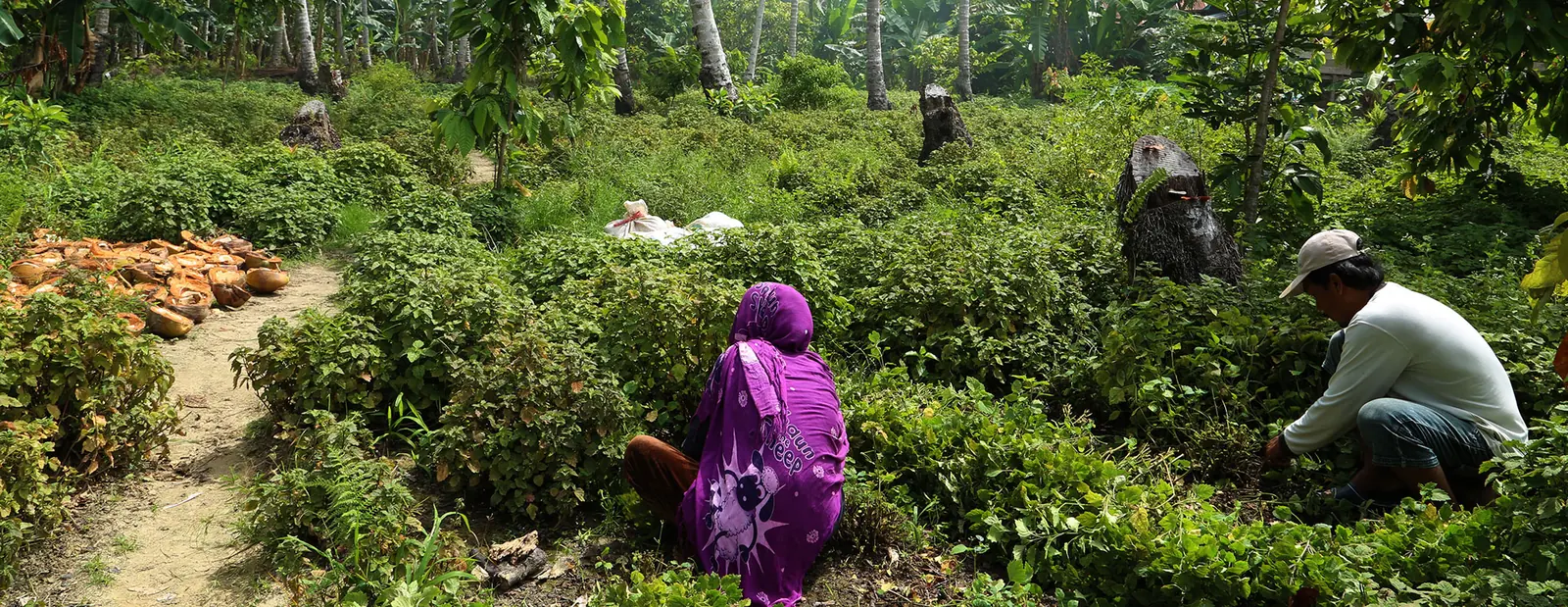
Two workers crouched among patchouli plants, cutting leaves by hand under coconut palmsPartner supplier · Makassar
Cutting patchouli leaves by hand before drying
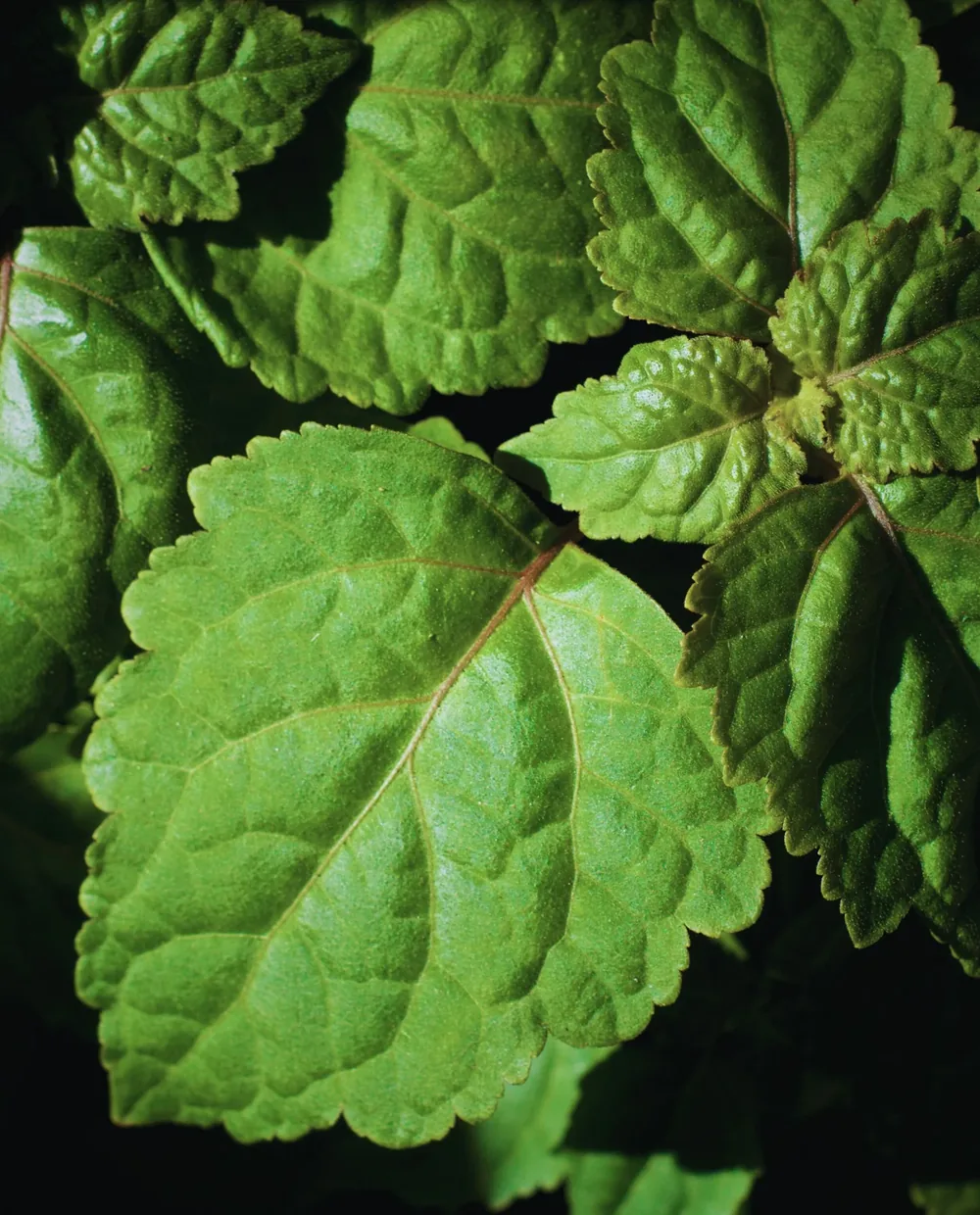
Close-up of broad, serrated patchouli leaves
Patchouli leaves, the part that holds the oil
Patchouli oil: our tested sample against the Indonesian standard SNI 06-2385-2006
ParameterOur sampleSNI requirement
ColourYellowish brownLight yellow to reddish brown
Specific gravity (25 °C)0.96000.950 to 0.975
Refractive index (20 °C)1.50781.507 to 1.515
Solubility (90% ethanol)Clear at 1:10Clear or slightly opalescent at 1:10
Acid number3.79 mg KOH/gMax 8 mg KOH/g
Ester number18.54 mg KOH/gMax 20 mg KOH/g
Optical rotation−48.722°–
Patchouli alcohol31.92%Min 30%
Alpha-copaene0.05%Max 0.5%
Iron (Fe)6.48 mg/kgMax 25 mg/kg
Specimen 03 · Pogostemon cablin
Patchouli, Pogostemon cablin. A bushy herb of the mint family, grown for its fragrant leaves.

Tested to SNI 06-2385-2006 by Sucofindo, report no. E05244/CODBAT, 13 August 2026. Results apply to the sample tested. The full report is shared with buyers on request, and each lot is offered with its own report of analysis.

Samples on request.

Inquire about Patchouli oil

Vanilla beans

Cured whole beans of Vanilla planifolia from Maluku, in two grades by length. Grown by smallholder farmers in Maluku, eastern Indonesia.

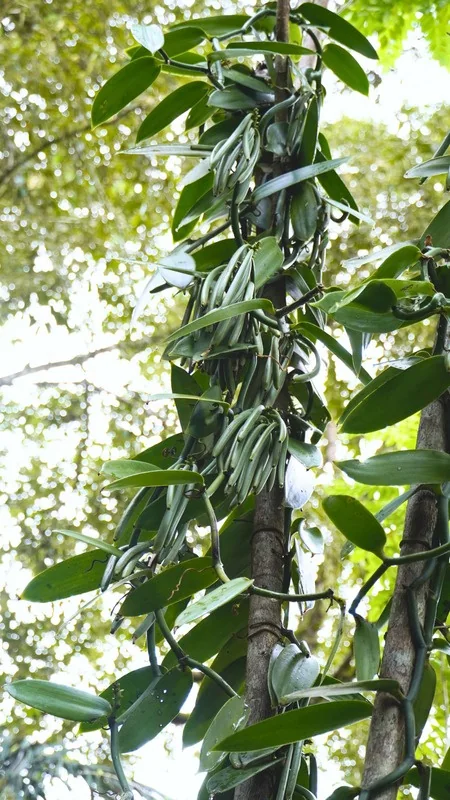
Green Vanilla pods hanging from the vine
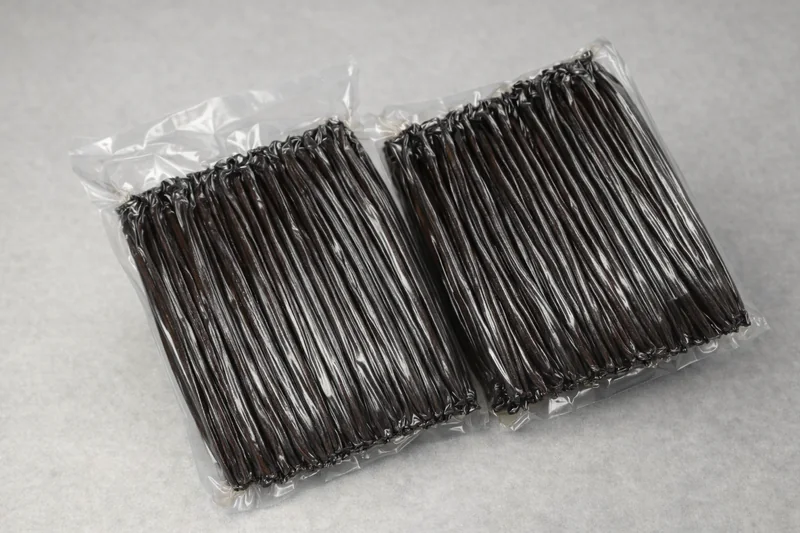
Two vacuum-sealed packs of cured Vanilla beans
Cured beans, vacuum-sealed for export

Grade A

Longer beans, supple and glossy.

Maluku

16 cm+Bean length, above 16 cm

Grade B

Shorter beans, often used for extraction.

Maluku

< 16 cmBean length, below 16 cm

Sucofindo laboratory report in progress. The figures above are stated at origin and will be replaced with tested results once the report is issued.

Also available as Vanilla extract and Vanilla powder. Samples on request.

Inquire about Vanilla
Vanilla beans: specifications at origin, pending laboratory testing
ParameterGrade AGrade B
LengthAbove 16 cmBelow 16 cm
MoistureAbove 26%Above 26%
VanillinMin 2.5%Min 2.5%
Shelf life18 months18 months
AppearanceSupple and glossy, dark brown to nearly black
PackingVacuum-sealed embossed bags
Minimum order3 kg
Specimen 04 · Vanilla planifolia
Vanilla, Vanilla planifolia. The pods of a climbing orchid, cured over several months to bring out their flavour.

Nutmeg, mace and kenari

From smallholder farmers and forest groups in West Seram, Maluku: nutmeg, mace, nutmeg butter, kenari and kenari oil.

Map of Maluku in eastern Indonesia, marking West Seram, where our Maluku range is sourced Banda Sea West Seram

For centuries, Maluku was the only place on earth where nutmeg grew.

Maluku grows some of Indonesia’s most valuable spices, but its farmers usually sell through several traders before their harvest reaches an importer. We buy closer to the farm.

In Piru, West Seram, we source from smallholder farmers and community forest groups. Growers there are trained in harvest and drying, have access to solar dryers and are paid fair prices, and every lot can be traced back to the people who grew it.

Farmers
2,879
Community forest groups
11
Villages
7
Hectares of forest and agroforestry
13,861

The farmer network in West Seram behind our Maluku range.

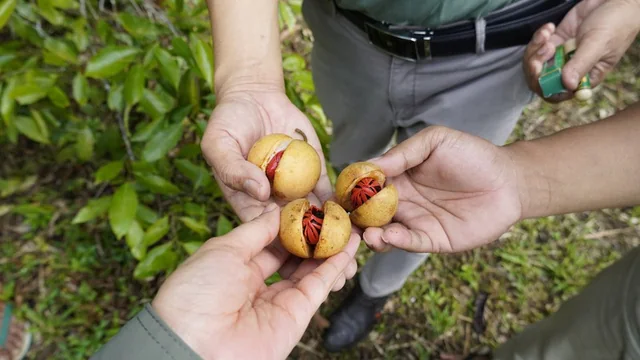
Hands holding fresh nutmeg with its red mace
Fresh nutmeg with its mace, West Seram
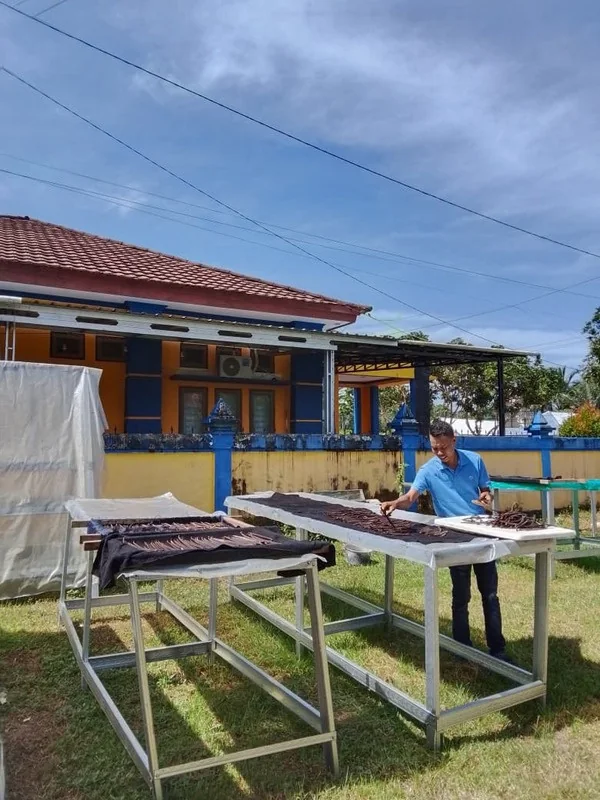
A grower beside solar drying racks
Solar drying racks, West Seram

Nutmeg and mace

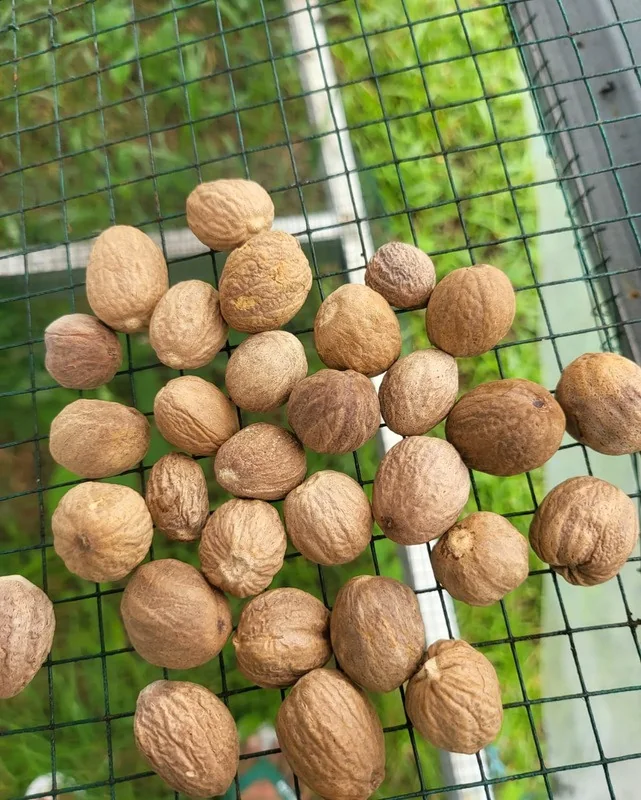
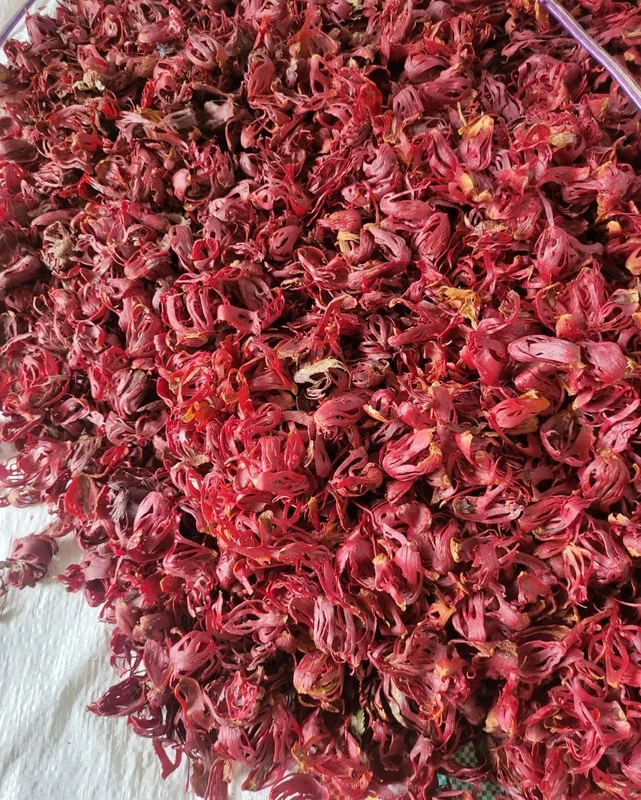
Both come from the same fruit. When it splits open, the seed inside is the nutmeg and the red lace around it is the mace. The two are dried separately.

Specimen 05 · Myristica fragrans
Nutmeg, Myristica fragrans. The split fruit, with the mace around the seed.

Maluku specifications are stated at origin until the Sucofindo reports are issued. Maluku orders ship in smaller lots, quoted per order.

  • West Seram nutmeg

    Maluku MOQ 50 kg

    Whole dried nutmeg, single origin from West Seram. Myristica fragrans

    Specifications
    Grade
    AB
    Moisture
    Max 10%
    Aroma
    Warm, slightly peppery
    Condition
    Whole, intact nuts. No insect holes or visible mould
    Shelf life
    24 months
    Packing
    Kraft foil bag or aluminium pouch
    Lab report pending Inquire
  • Mace

    Maluku MOQ 50 kg

    The dried lace (aril) that wraps the nutmeg seed, naturally dried. Myristica fragrans

    Specifications
    Grade
    AB
    Moisture
    Max 10%
    Aroma
    Warm and aromatic, with nutmeg fragrance
    Condition
    Free from mould, insects and foreign matter
    Shelf life
    24 months
    Packing
    Kraft foil bag or aluminium pouch
    Lab report pending Inquire
  • Nutmeg butter

    Maluku MOQ 2 kg

    A creamy to pale yellow semi-solid fat, expeller-pressed with heat. Pressed from nutmeg kernels

    Specifications
    Melting point
    41 to 46°C
    Oil content
    Above 45%
    Aroma
    Mild, warm, nutty and spicy
    Shelf life
    24 months
    Packing
    Food-grade HDPE jar
    Lab report pending Inquire
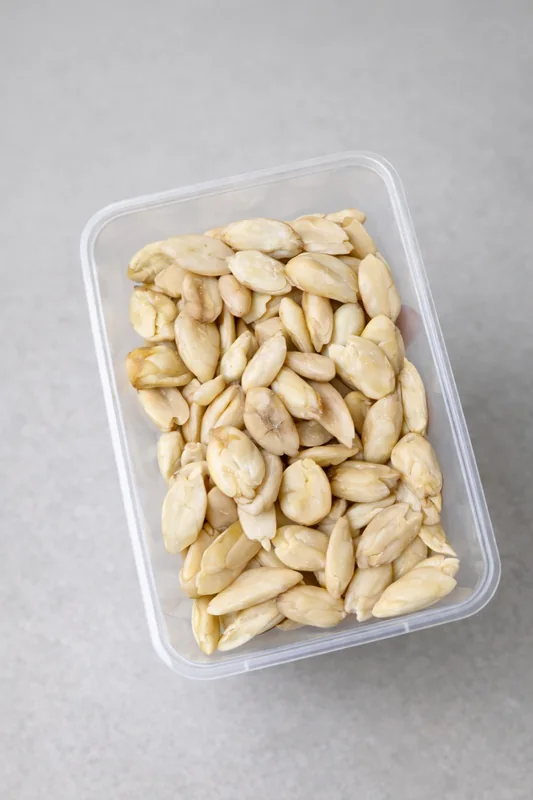
  • Canarium nut (kenari)

    Maluku MOQ 50 kg

    A native nut of Maluku. Supplied blanched creamy white, or with its natural dark brown skin. Canarium indicum

    Specifications
    Moisture
    Max 10%
    Aroma
    Buttery, mildly sweet, nutty
    Condition
    Free from mould
    Shelf life
    12 months, with skin
    Packing
    Vacuum-sealed embossed bags
    Lab report pending Inquire
  • Canarium nut oil

    Maluku MOQ 5 kg

    Pale yellow oil, expeller-pressed with heat from kenari nuts. Canarium indicum

    Specifications
    Oleic acid
    46.2%
    Stearic acid
    13.7%
    Shelf life
    12 months
    Profile
    Full fatty acid profile on request
    Packing
    Glass bottle, 250 g or 500 g
    Lab report pending Inquire

Also by request Nutmeg oil.

Lots from West Seram and Maluku. Samples on request.

Inquire about the Maluku range

From origin to port

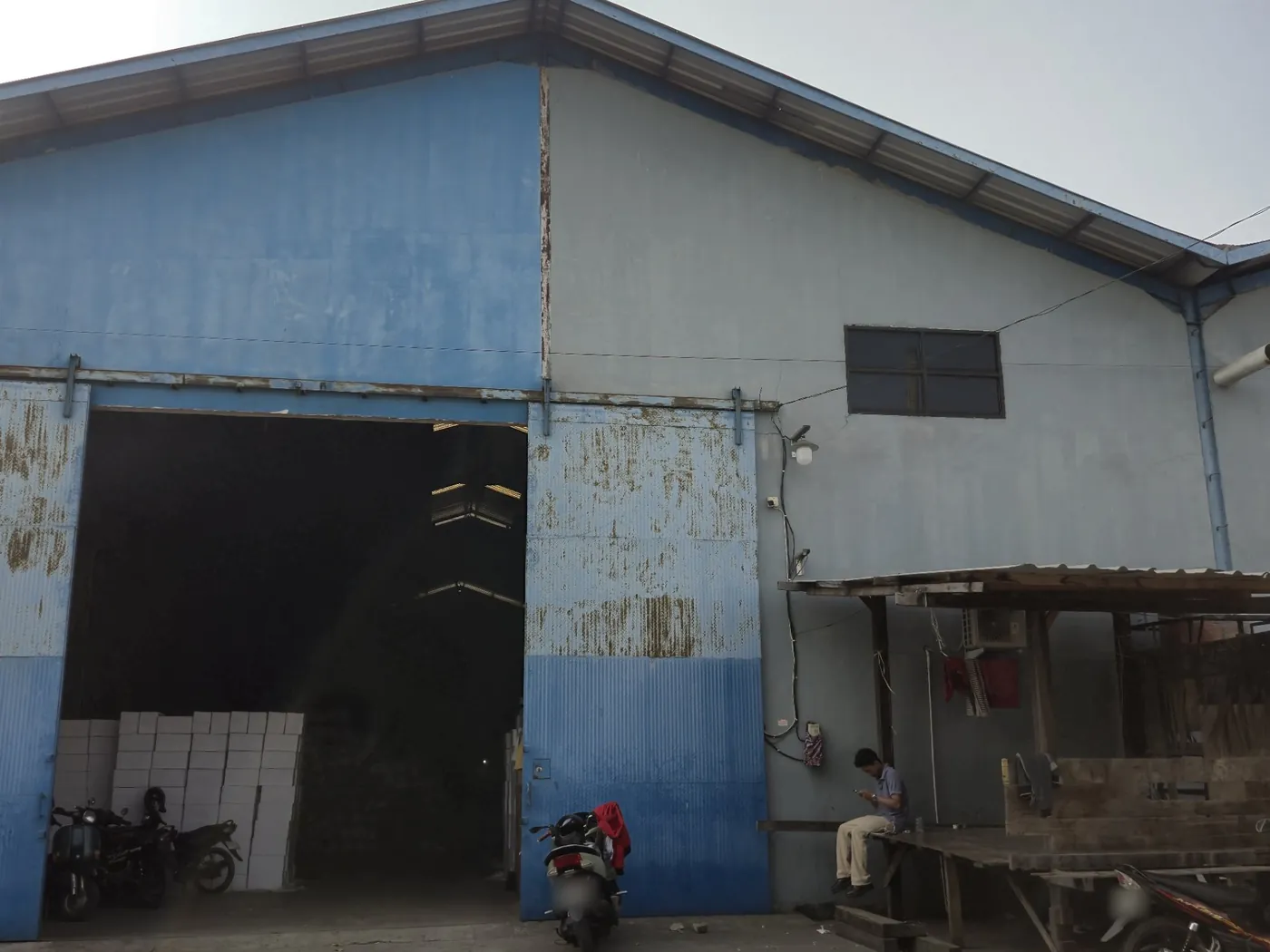
Makassar is our main port. Lalpari cloves from Palopo and Kolaka, and our Maluku range from West Seram, are brought to Soekarno-Hatta Port in Makassar for export.

Lalpari cloves and clove stems

  1. Palopo and Kolaka

    Sourcing

    Purchased directly from growers and collectors at origin, where the cloves are dried.

  2. Partner warehouse, Maros

    Sorting and grading

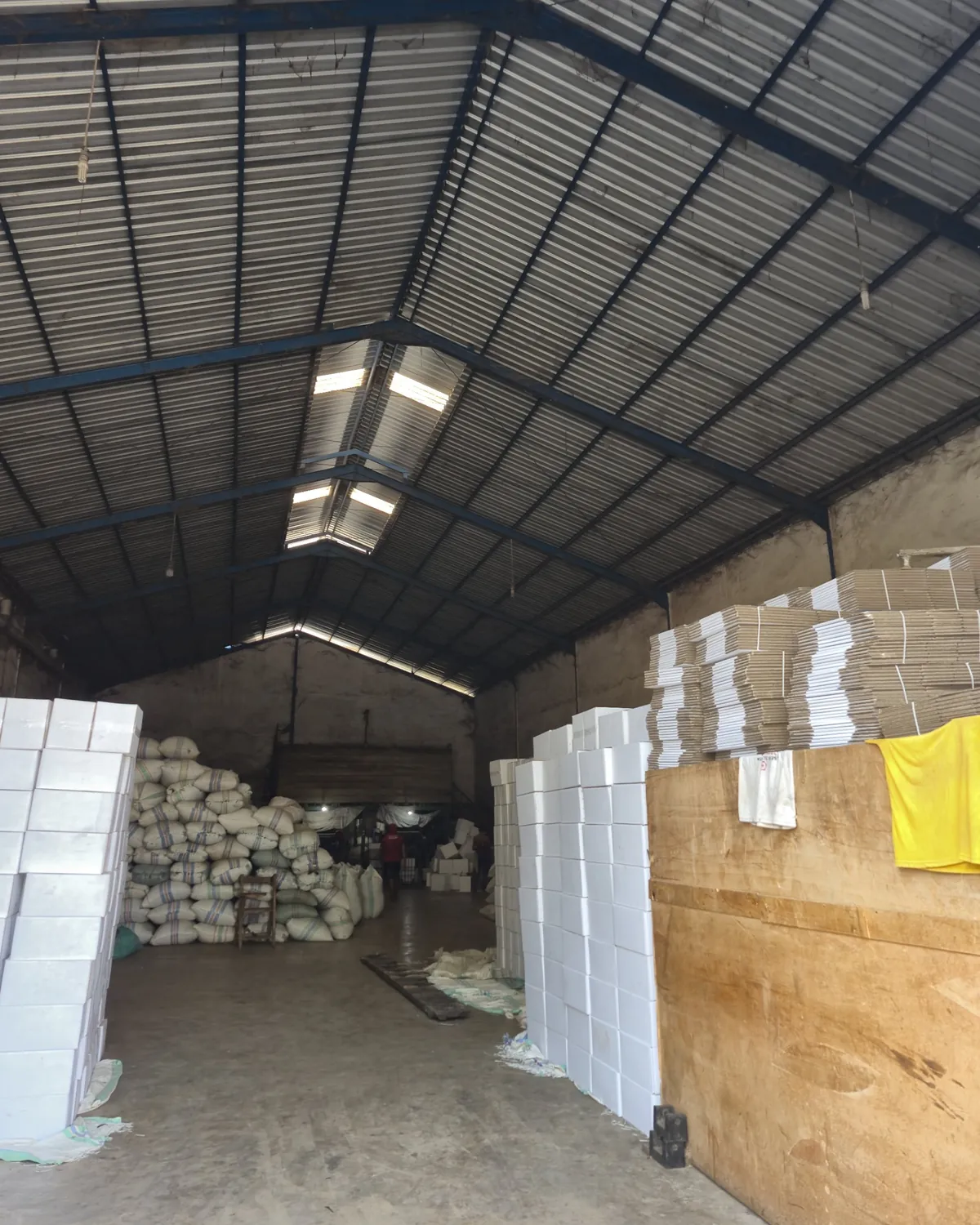
    Hand-sorted to remove stems and foreign matter, then graded to the specification agreed in the contract.

  3. Sucofindo, Makassar

    Testing

    Independent laboratory testing is available on request. Samples of our Lalpari cloves have been tested by Sucofindo.

  4. Soekarno-Hatta Port, Makassar

    Packing and loading

    Packed and labelled in Maros, then loaded at the port under FOB terms, or collected from Maros under EXW.

Front of the warehouse with its sliding doors open
Partner supplier · Maros
Our partner supplier's warehouse in Maros
Bagged stock and packing cartons inside the warehouse
Inside the partner warehouse

Trade terms

We purchase at origin and oversee sorting, grading and packing for every lot. Buyers deal with one company that answers for each lot, from purchase at origin to loading at the port.

The terms below apply to our Sulawesi cloves and clove stems. Terms for green coffee are quoted per order. Vanilla beans and the Maluku range ship in smaller lots, with the minimum shown on each product, and terms and freight quoted per order.

Free On Board, Incoterms® 2020

We clear the goods for export and deliver them on board the vessel nominated by the buyer at Soekarno-Hatta Port, Makassar. Risk transfers to the buyer once the goods are on board. Ocean freight, insurance and all costs from that point are for the buyer’s account.

Minimum order One 20ft container

Ex Works, Incoterms® 2020

The goods are made available for collection at our partner supplier’s warehouse in Maros, South Sulawesi. The buyer arranges loading, inland transport, export clearance and onward carriage, and bears the risk from the point of collection. We provide the documents required for export clearance on request.

Minimum order 10 metric tons

At a glance

Minimum order
Sulawesi: one 20ft container (FOB)
or 10 metric tons (EXW)
Maluku: as shown per product
Packing
Sulawesi: to buyer’s request
Maluku: as shown per product
Lead time
Sulawesi: up to 2 weeks
Maluku: quoted per order
Payment terms
FOB: 75% upfront, 25% once on board
EXW: 50% upfront, 50% before stuffing
Samples
Available on request, paid by the buyer

The people behind each lot

A sack of cloves passes through several pairs of hands before it reaches an importer: the family that grows it, the collector who buys it, and the workers who sort and pack it. As Heratona grows, we plan to share that growth with them.

  1. Farmers

    Smallholder families grow clove, coffee, nutmeg and Vanilla across Sulawesi and Maluku. Clove buds are picked by hand just before they open and dried in the sun. Vanilla is cured for months after harvest.

  2. Collectors

    Village collectors buy from many small gardens, check the drying and the quality, and put together lots large enough to export. Small farms rarely sell to an exporter directly.

  3. Sorters and packers

    At the warehouse, workers hand-sort each lot to remove stems and foreign matter, grade it to the contract and pack it for shipping.

  4. Our team and agents

    Our team checks quality at origin and arranges testing and export documents. Our agents find the buyers. We stay accountable to the buyer for every lot.

What we commit to

Named origins
We sell by named origin, such as Palopo, Kolaka and West Seram, so a good harvest is credited to the place it came from instead of disappearing into a blend.
Independent testing
Our lots are tested independently, starting with Sucofindo reports on our Lalpari cloves, so quality is shown with results.
Buyers abroad
Many growers and collectors produce good spices but have no way to reach importers abroad. We buy from them and sell to importers worldwide.
A share of the growth
As Heratona grows, we have committed to sharing that growth with everyone who contributes: the people we buy from, our own team, and the agents who bring us buyers.

Start with an inquiry

Ask us for prices, samples or full specifications of any product.

Address
Makassar, South Sulawesi, Indonesia

Send an inquiry